NEWS AND EVENTS

  • Partner for the Future: Meet MEISHUO at Autumn Canton Fair (Oct 23–27) – Explore Durable Building Solutions

    2026-09-08

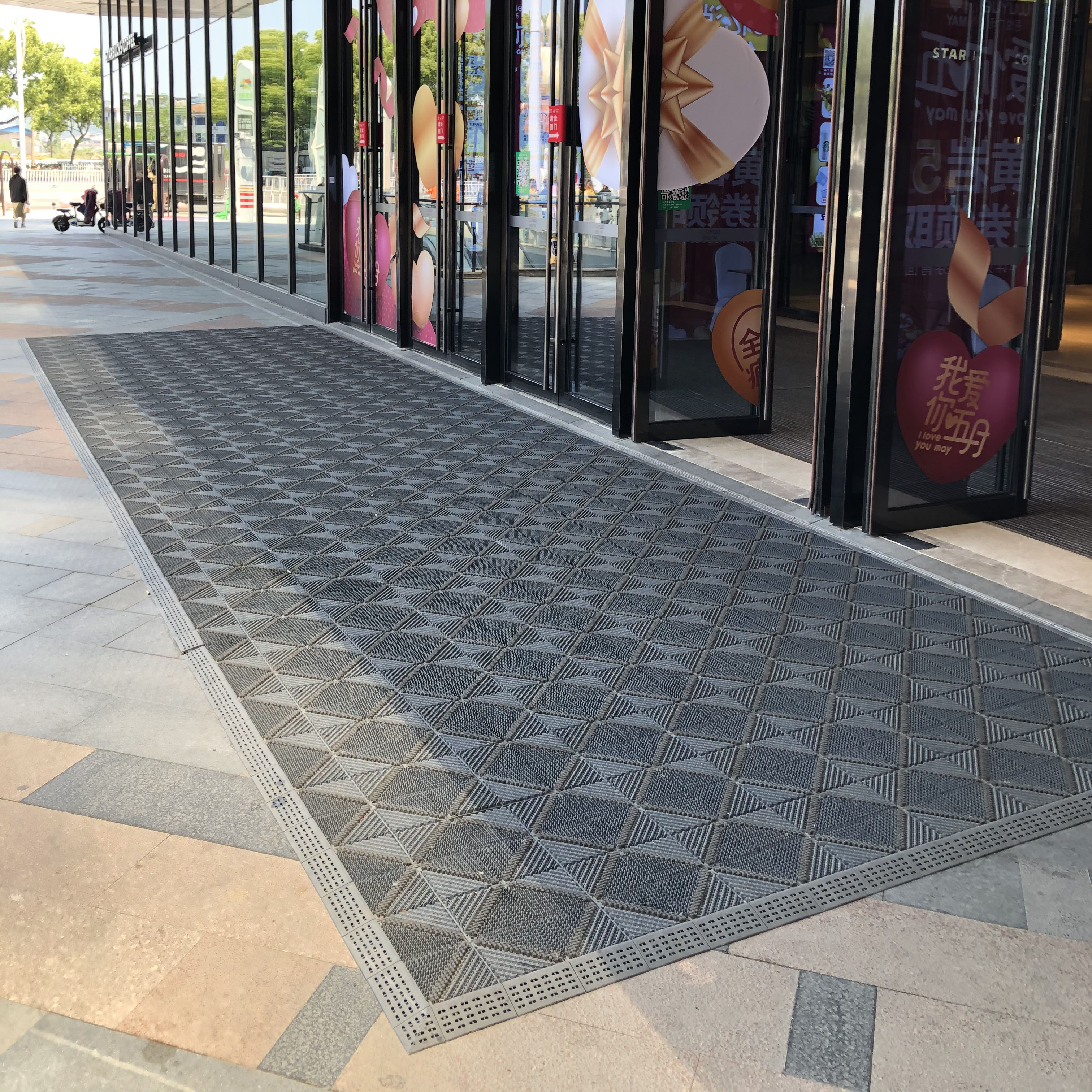
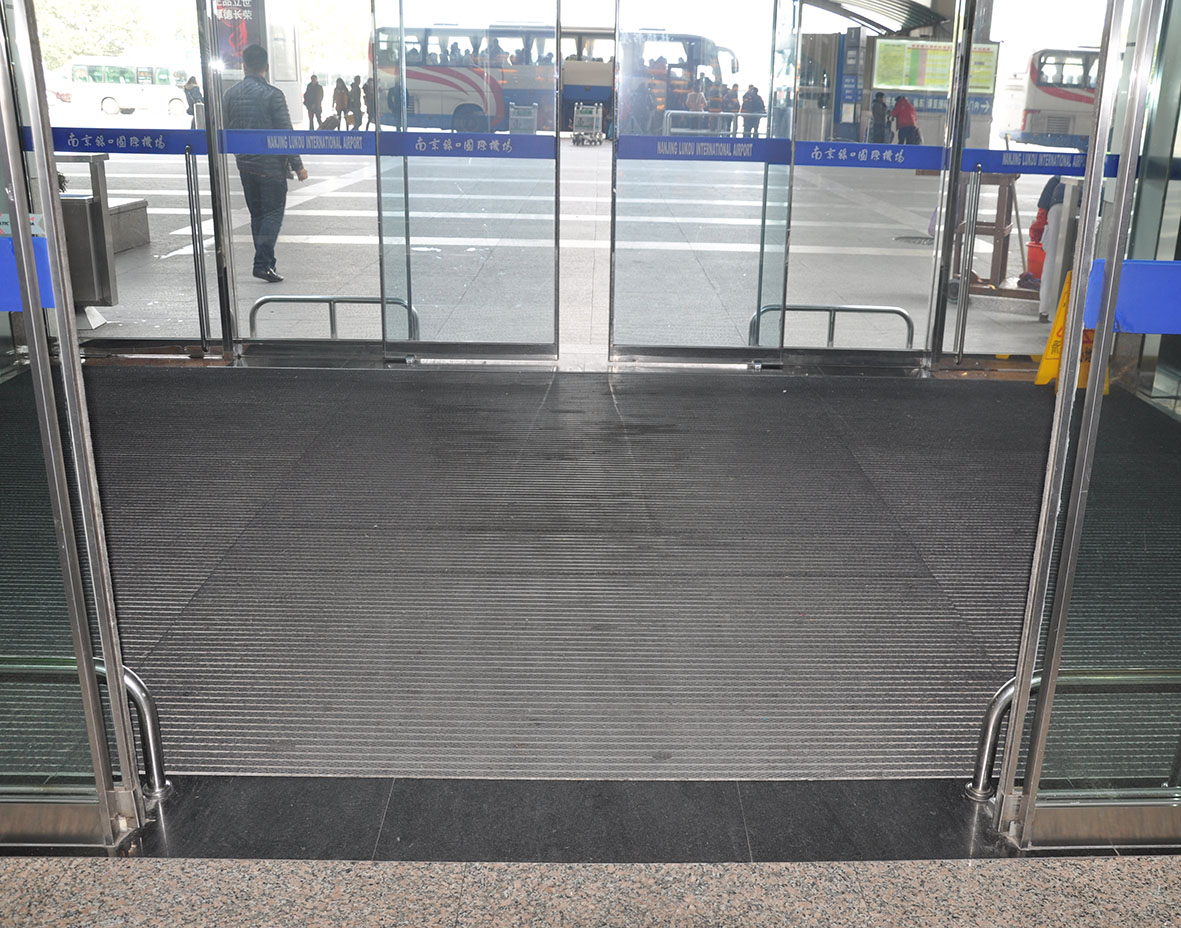
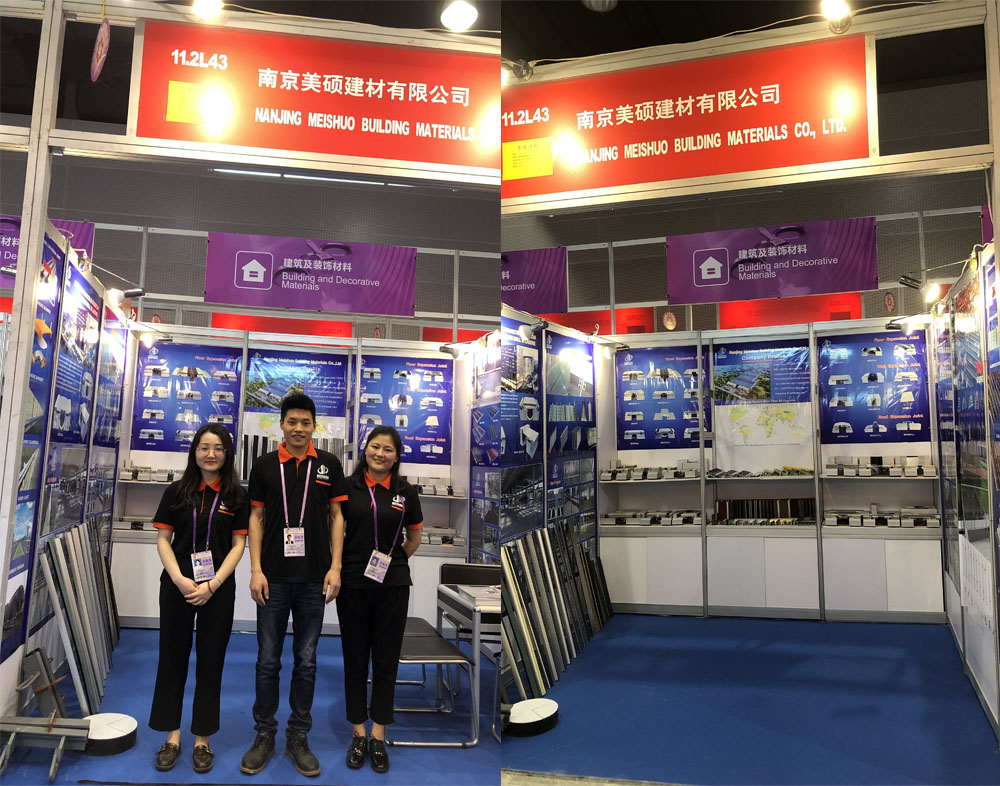
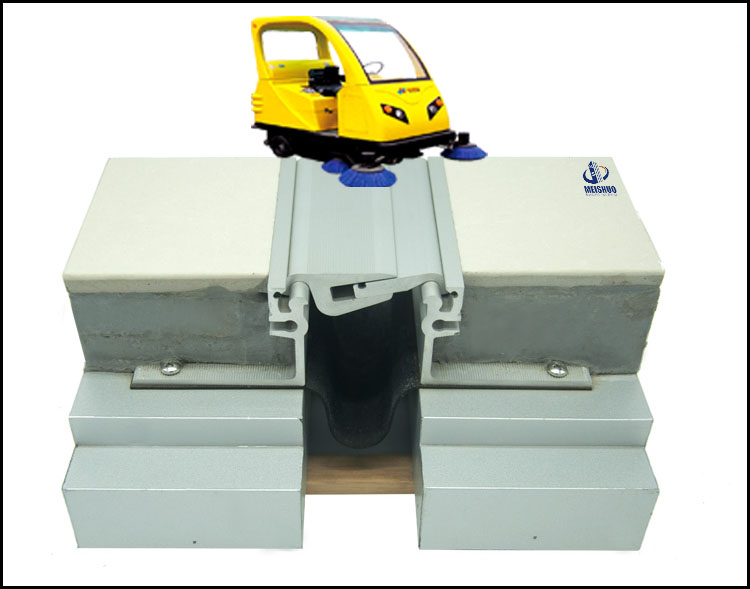
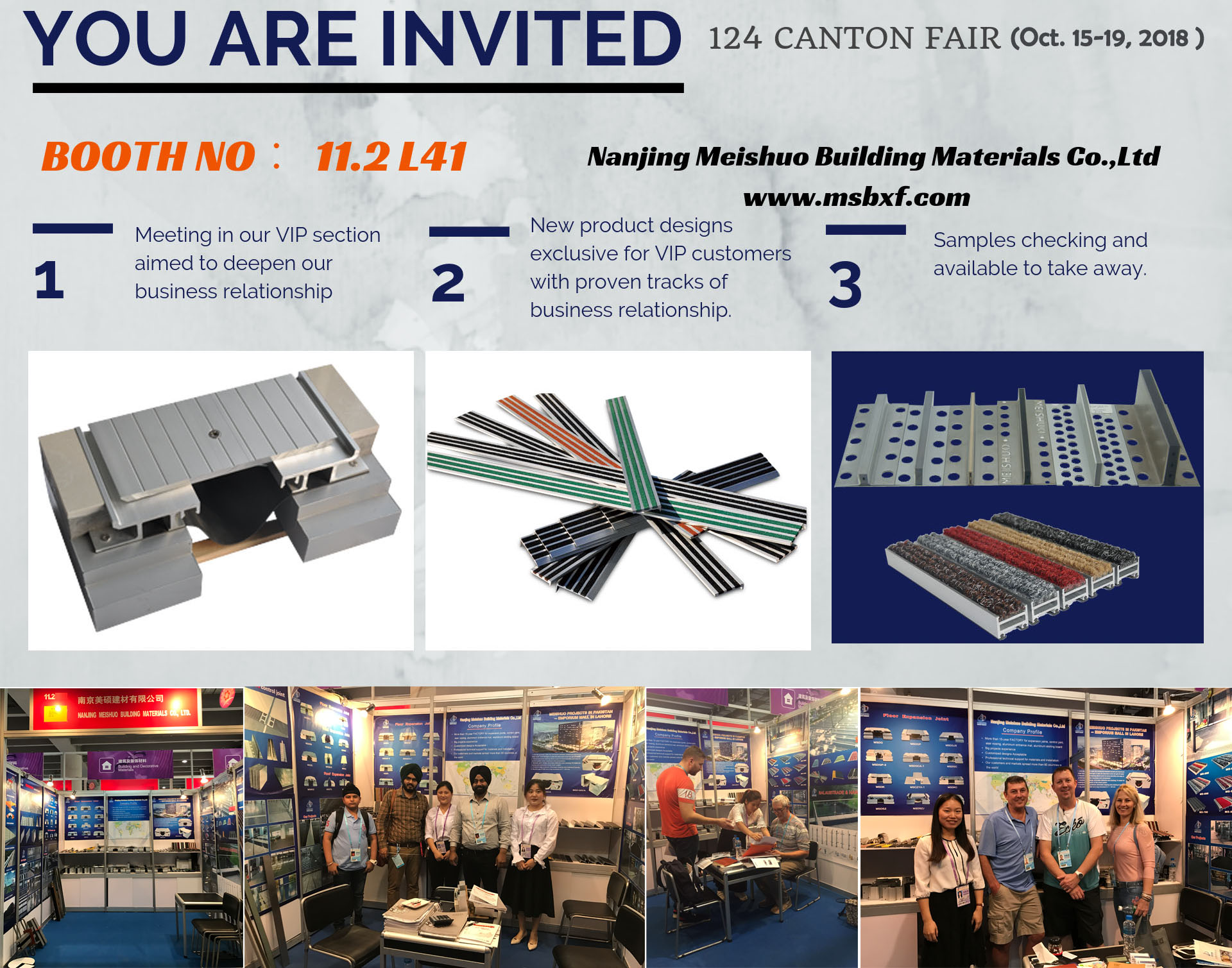
    MEISHUO is set to exhibit at the 140th Canton Fair (Autumn Session, Phase 2) from October 23–27, 2026 at Booth 12.2 K39. We will showcase six product lines including flood barriers, stair nosing, expansion joints, armour joints, movement control joints, and entrance matting systems. All are engineered for durability and reliability. We invite all partners and customers to visit us and discuss future collaboration. Read More
  • Stair Nosing Materials Compared: Carborundum, Photoluminescent, Aluminum, Brass & Rubber

    2026-09-02

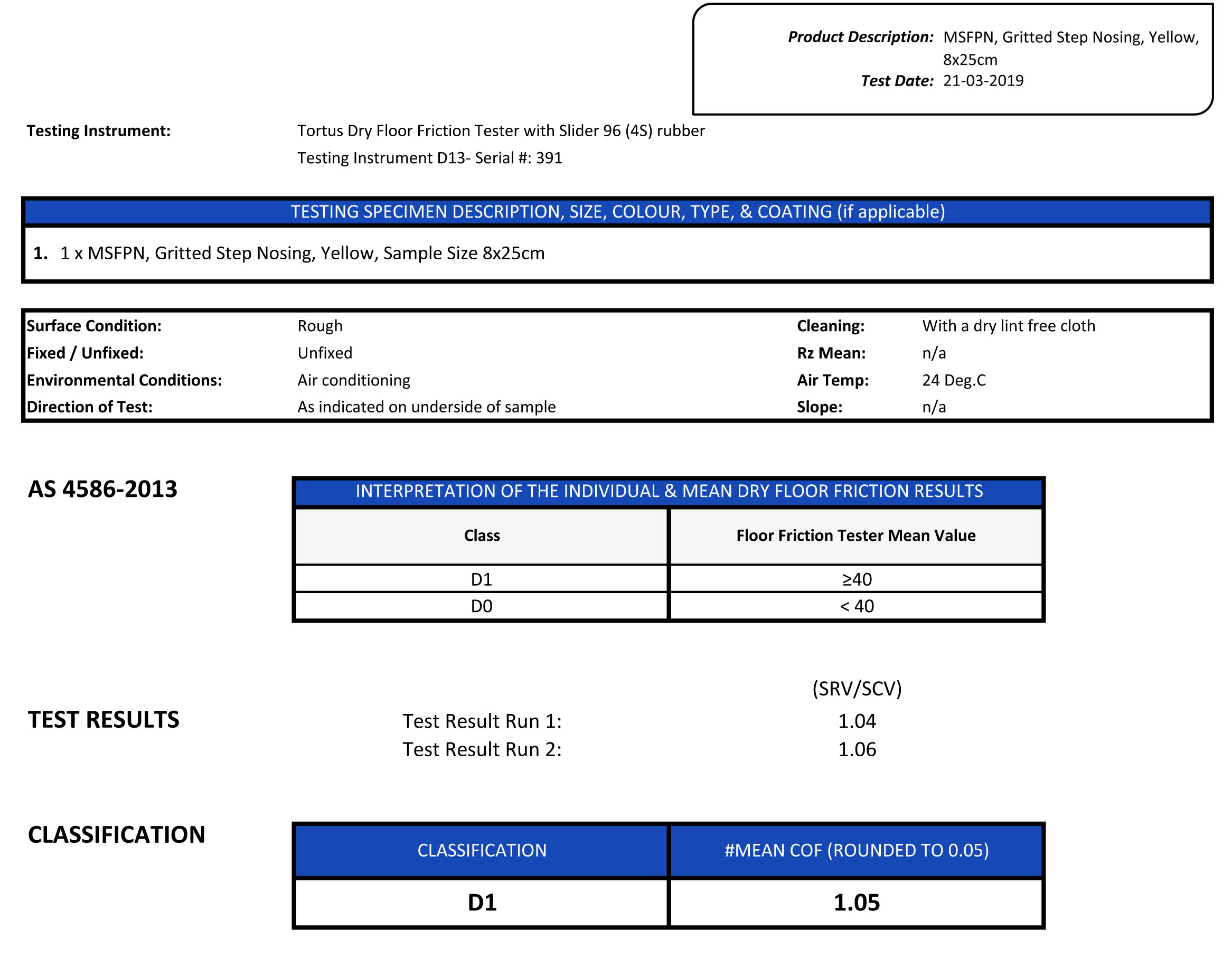
    This guide provides a comprehensive comparison of six stair nosing materials — carborundum, photoluminescent, FRP, aluminum, brass, and rubber — for commercial and multi-family building specifications. It evaluates each material's slip resistance, durability, maintenance requirements, building code triggers, and ideal use cases, from high-traffic transport terminals and industrial facilities to luxury hotels and healthcare environments. The article also covers combined carborundum + photoluminescent nosings for emergency egress compliance and highlights the often-overlooked safety feature of visual contrast for ADA compliance. Designed for specifiers, facility managers, and procurement professionals, this guide helps balance safety, longevity, and total cost of ownership. Read More
  • Warehouse Floor Joints: Should You Choose a Expansion Joint Cover or an Armoured Joint?

    2026-08-24

    Industrial warehouse floors face heavy forklift traffic that can quickly damage unprotected concrete joints. This article compares expansion joint covers with armoured joint systems, explaining why most floors fail when the wrong choice is made. It covers the structural differences, the causes of edge spalling and cover deflection, and how armoured joints like MSARJ, MSARJA, and MSSCJ provide integrated edge protection and load transfer. A selection guide helps you choose the right joint based on slab thickness, traffic type, and joint opening size. Read More
  • How To Read Expansion Joint Cover Specifications: The 3 Key Numbers

    2026-05-22

    When you open an expansion joint cover product page, the first three numbers you see are always the same: joint width, exposed surface, and movement capacity. Yet across the industry, different terms and units can make these basics confusing. This article cuts through the noise and explains what each of the three core parameters actually means for your selection, using MEISHUO's classic MSDG model as a practical reference. A straightforward read for anyone who needs to specify, buy, or simply understand architectural joint covers. Read More
  • Why Factory Price is No Longer Enough: What B2B Buyers Should Consider When Sourcing Building Materials from China

    2026-08-10

    China remains highly competitive in building-material manufacturing, but low factory prices are no longer enough to determine the right supplier. Drawing on our experience as a Chinese manufacturer working with overseas B2B buyers, this article examines what really matters when sourcing customized and specialized building materials from China—including engineering capability, customization, quality control, production flexibility, and long-term reliability. Read More
  • Most Expansion Joints Aren't Waterproof — Here's What Actually Stops the Water

    2026-06-26

    A standard architectural expansion joint cover bridges structural gaps and accommodates movement — it does not provide waterproofing by default. When a joint is exposed to rainwater, groundwater, or wet-service conditions, waterproofing must be specified as a separate function. This article explains the essential components of a waterproof expansion joint: a continuous elastomeric water barrier, a controlled drainage path, and the often-overlooked yet critical end dam. It also covers key material properties — continuous contact pressure, chemical compatibility, and maintenance limitations — and clarifies the design boundaries of seal systems in standing water. Only correct selection and installation can truly stop water at the source. Read More
  • Fire Barrier Installation Mistakes That Compromise Fire Ratings — and How to Avoid Them

    2026-05-15

    Even a correctly specified fire barrier can fail if installed improperly. This article identifies the most common installation mistakes — from skipping fire barriers where code requires them, to confusing fire sealants with mechanical barriers, to incorrect fastening and splicing — and explains how to avoid each one. Based on ASTM E119 and UL 2079 standards, with practical guidance for contractors and specifiers using MEISHUO MSFB fire barrier systems. Read More
  • How to Select the Right Expansion Joint System for Your Application

    2026-05-09

    Facing a project specification and unsure which expansion joint model you actually need? With dozens of models across different performance grades and finishes, the selection process can overwhelm even experienced professionals. In this guide, MEISHUO breaks down a simple two-step framework – define the function, then choose the form – and applies it to real-world scenarios including hospitals, airports, shopping malls, parking garages, industrial warehouses, and more. Specific model recommendations help you move from confusion to clarity. Read More
  • Why Choose MEISHUO Aluminum Flood Barriers: Proven Protection When Storms Strike

    2026-04-23

    Discover why businesses trust MEISHUO aluminum flood barriers for commercial flood defense. Proven during Typhoon Sinlaku, our aluminum alloy flood barrier systems block water and debris while delivering rapid payback. Explore real-world case studies and request a free quote. Read More
  • Total 9 pages  Go to Page
  • Go
 
Copyright © 2015,Nanjing MEISHUO Building Materials Co., Ltd. All Resolved        Site Map